The restaurant industry in the UK has always been competitive, but in recent years the challenges facing hospitality businesses have become even greater.
Restaurants are no longer competing purely on food quality. Atmosphere, branding, customer experience, and social media appeal now play a major role in determining which venues succeed and which struggle to stand out.
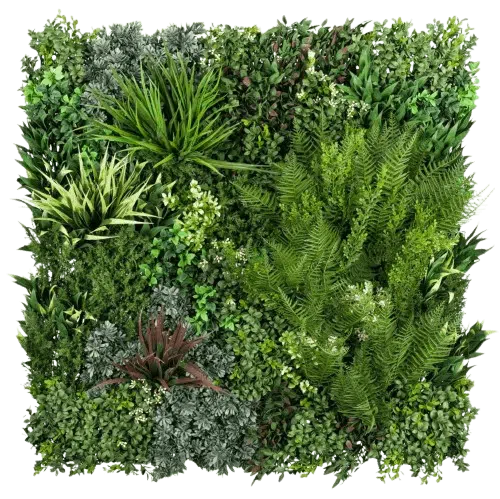
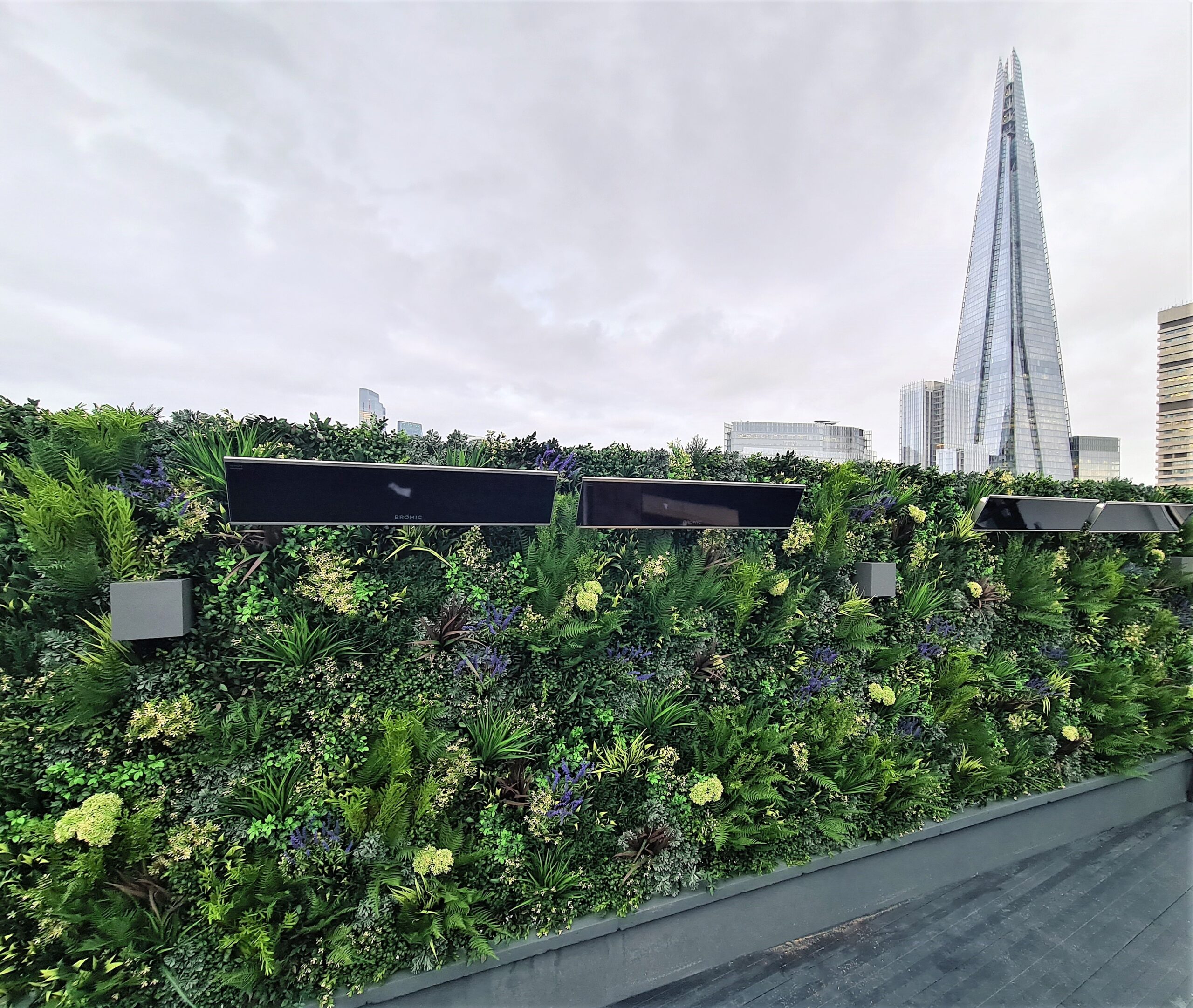
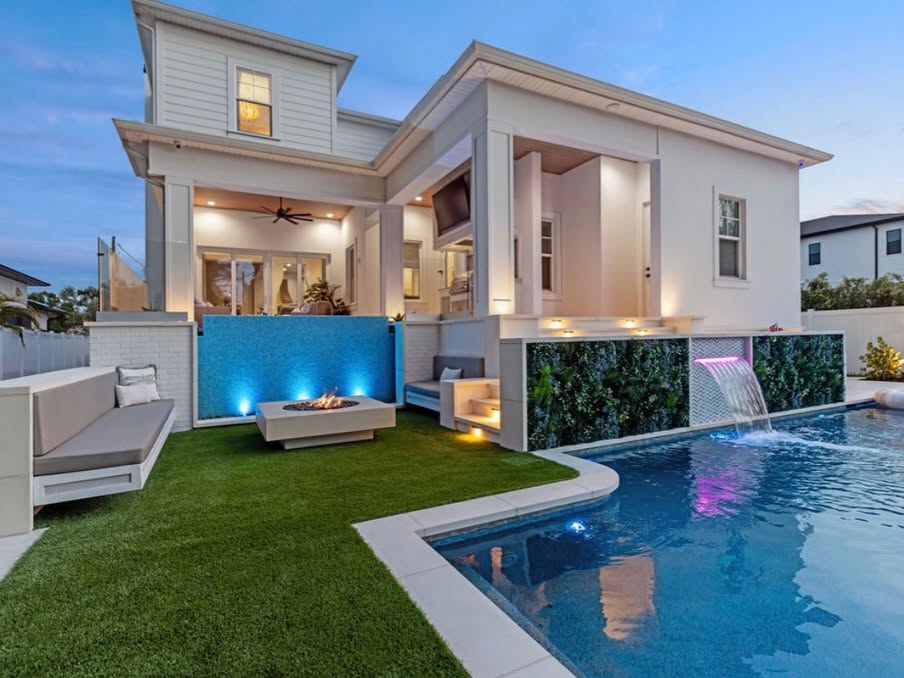
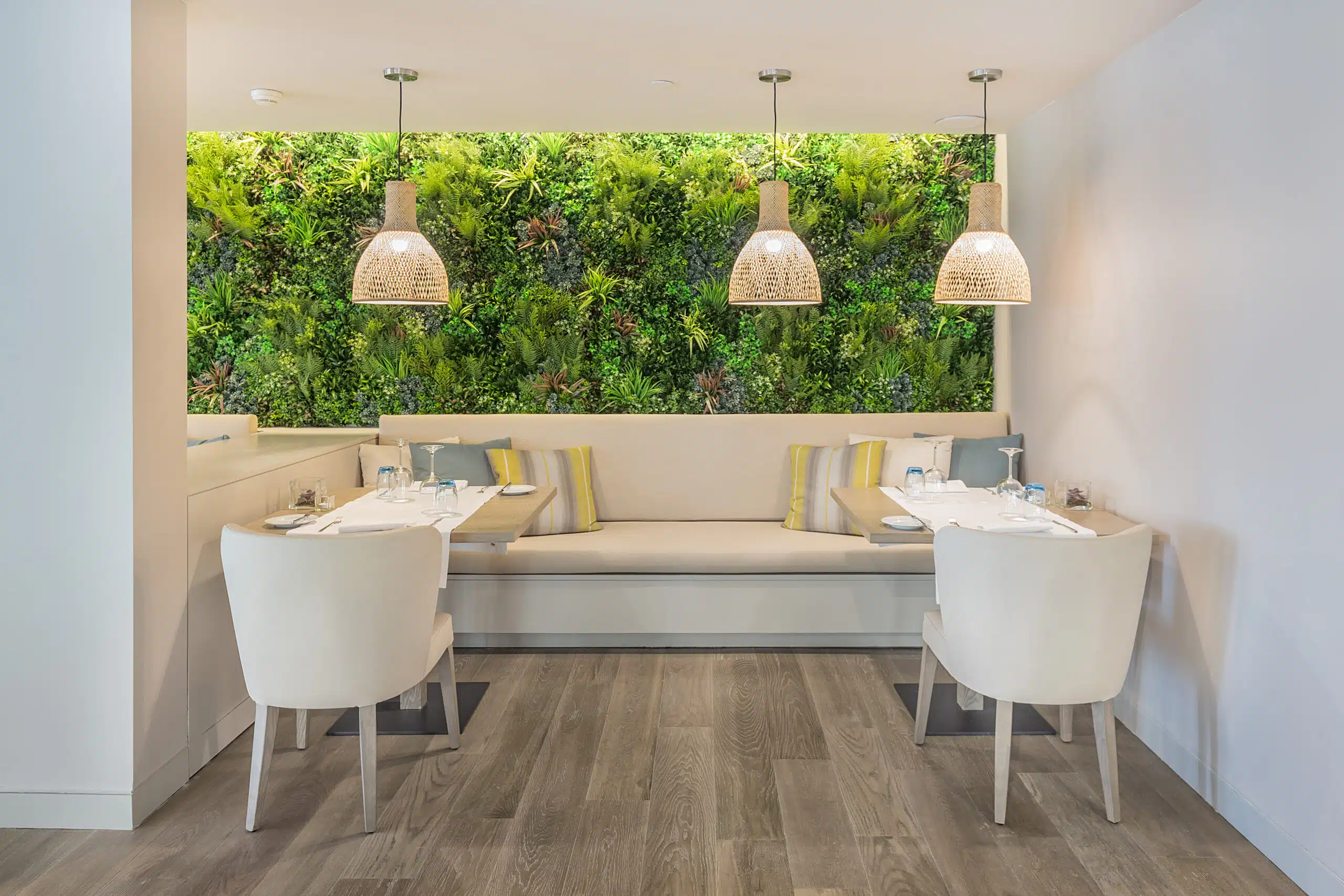
As operators search for ways to create memorable spaces while controlling long-term costs, many are turning to interior and exterior greenery as part of their design strategy. In particular, the rise of artificial green walls for restaurants has transformed how hospitality venues approach atmosphere and aesthetics.
From stylish city restaurants to rooftop bars and boutique cafés, artificial greenery is becoming one of the hospitality industry’s most effective design tools.
In this guide, we explore the pressures facing restaurants today, why creating the right atmosphere matters more than ever, and why artificial green walls are increasingly being chosen over living alternatives.
The Challenges Facing the UK Restaurant Industry
Running a restaurant has never been easy, but modern hospitality businesses face a unique combination of financial and operational pressures.
Cost of Living Pressures
The cost of living crisis continues to impact consumer spending habits across the UK.
Many households are reducing discretionary spending, meaning restaurants must work harder than ever to attract customers and encourage repeat visits. Diners are increasingly selective about where they choose to spend their money, particularly when eating out has become a more considered purchase.
This means restaurants cannot rely purely on food quality alone. Customers now expect an experience.
The Long-Term Effects of Covid
Although the immediate disruption of the pandemic has passed, the hospitality sector continues to feel its long-term effects.
Many businesses are still recovering financially from prolonged closures and reduced footfall during lockdown periods. Staffing shortages, increased supplier costs, and operational uncertainty have continued to place pressure on margins.
At the same time, customer expectations have evolved. People are more conscious of environment, comfort, and experience than ever before.
Restaurants now need to create spaces that feel welcoming, immersive, and memorable.
A Highly Competitive Industry
Hospitality has always been competitive, but social media has intensified the pressure.
Restaurants are now judged visually long before customers ever visit in person. Platforms such as Instagram and TikTok have made interior design a key part of marketing strategy.
Customers actively seek out venues that offer:
- Attractive interiors
- Unique experiences
- Photogenic spaces
- Relaxed and inviting atmospheres
A visually impressive restaurant can generate huge organic exposure online, helping businesses attract new visitors without relying solely on traditional advertising.
This is one of the reasons greenery has become such a powerful design feature within hospitality spaces.
Why Atmosphere Matters in Restaurants
People do not simply visit restaurants for food. They visit for experience.
The environment influences how customers feel, how long they stay, and even how they perceive the quality of the venue itself.
Greenery helps restaurants create spaces that feel:
- Relaxed
- Warm
- Welcoming
- Premium
- Contemporary
Hard architectural materials such as concrete, metal, brick, and glass can sometimes make interiors feel cold or clinical. Green walls soften these surfaces and introduce texture, colour, and visual depth.
This creates a more enjoyable environment for customers while also strengthening brand identity.
A carefully designed green wall can become:
- A statement feature
- A social media backdrop
- A focal point within the dining area
- A branding opportunity
This is why more venues are investing in artificial green walls for restaurants as part of their interior design strategy.
Should You Choose Living Green Walls?
At first glance, living green walls might seem like the obvious choice. Real plants can certainly look beautiful when maintained correctly.
However, restaurants present a uniquely challenging environment for living greenery.
Once the practical realities are considered, many businesses quickly realise that living walls come with substantial drawbacks, and so here are some reasons to consider artificial green walls for restaurants instead.
The High Upfront Cost of Living Walls
Living green walls are complex biological systems rather than simple decorative features.
They usually require:
- Irrigation systems
- Drainage infrastructure
- Waterproofing
- Specialist lighting
- Structural support
- Ongoing horticultural design
All of this significantly increases installation cost.
For restaurants already balancing tight margins and rising operational expenses, these additional upfront costs can be difficult to justify.
Artificial green walls provide the same visual impact without the hidden infrastructure costs associated with living systems.
Space Limitations in Restaurants
Space is one of the most valuable assets in any restaurant.
Every square metre must work efficiently, whether for customer seating, service circulation, or kitchen operations.
Living walls often require a substantial build-up from the wall to accommodate:
- Soil or growing medium
- Irrigation pipework
- Drainage layers
- Waterproofing systems
This can encroach on already limited floor space.
Artificial green walls for restaurants are typically much shallower and lighter, making them far more practical for hospitality environments where space efficiency matters.
Maintenance in an Already Busy Environment
Restaurants are fast-moving environments with constant operational demands.
Adding a living wall introduces an entirely new layer of maintenance responsibility, including:
- Watering
- Pruning
- Plant replacement
- Pest management
- Irrigation monitoring
- Cleaning and upkeep
Even when outsourced to a maintenance contractor, these systems require ongoing management and cost.
Artificial green walls for restaurants eliminate almost all of this workload.
Aside from occasional cleaning, there is very little ongoing maintenance required.
This simplicity is one of the biggest reasons hospitality businesses are embracing artificial greenery.
Pesticides and Food Environments
One often-overlooked issue with living walls in restaurants is pest control.
Living plants can attract insects and pests, particularly in warm indoor environments. Maintaining plant health may therefore require the use of pesticides or other treatment products.
Around food preparation and dining spaces, this becomes a significant concern.
Artificial greenery completely removes this issue.
Because there are no living elements involved, there is:
- No risk of infestation
- No need for pesticides
- No concern about plant disease or decay
For restaurants, this creates a cleaner and more predictable solution.
Why Artificial Green Walls for Restaurants Make Perfect Sense
Once the operational realities are considered, it becomes clear why so many hospitality venues are choosing artificial solutions.
Flexibility in Design
Artificial green walls for restaurants offer enormous creative freedom.
They can be installed:
- Behind seating areas
- Around bars
- Across ceilings
- Along outdoor terraces
- Within entrance areas
- Around branded signage
Unlike living systems, they are not restricted by light levels, irrigation access, or environmental suitability.
This allows designers to focus entirely on aesthetics and customer experience.
Consistent Appearance Year Round
Restaurants need to look their best every single day.
Living walls can become patchy, stressed, or uneven depending on maintenance and environmental conditions.
Artificial green walls for restaurants remain visually consistent throughout the year.
This reliability is especially valuable in customer-facing hospitality environments where appearance directly affects perception.
Minimal Maintenance
One of the strongest selling points of artificial green walls for restaurants is the lack of ongoing maintenance requirements.
There is:
- No watering
- No pruning
- No feeding
- No seasonal decline
- No replacement planting cycles
For busy hospitality operators, this dramatically reduces both workload and long-term operational costs.
Why Restaurants Choose Vistafolia
When it comes to artificial greenery, quality matters enormously.
A poorly designed green wall can look obviously artificial and undermine the atmosphere a restaurant is trying to create.
Vistafolia has become a trusted name within hospitality because our systems combine realism, durability, and long-term performance.
Extensive Restaurant Experience
Vistafolia has worked on artificial green walls for restaurants, hospitality, and leisure projects all over the world.
This experience means we understand the practical and aesthetic requirements of hospitality environments, from customer flow to lighting conditions and branding integration.
Exceptional Realism
Our panels are designed to look natural even at close range, using layered foliage, varied textures, and realistic colour palettes.
This is especially important in restaurants where customers interact closely with the environment.
Fire-Tested for Commercial Spaces
Commercial compliance is essential in hospitality environments.
Vistafolia systems are independently fire tested, helping restaurants meet important building and safety requirements.
Bespoke Design Flexibility
From statement walls to branded installations and custom layouts, Vistafolia offers flexible solutions tailored to each venue’s design vision.
Professional Installation
Our experienced installation team ensures every project is delivered to the highest standard, creating seamless results that elevate the overall customer experience.
Final Thoughts
Restaurants today face enormous pressure to stand out in an increasingly competitive market.
Creating a memorable atmosphere is no longer optional. It is a fundamental part of attracting and retaining customers.
Artificial greenery offers restaurants a powerful way to transform their spaces, soften interiors, strengthen branding, and create visually engaging environments without the operational challenges associated with living plants.
While living walls can look impressive, the maintenance, space requirements, infrastructure, and ongoing costs often make them impractical for busy hospitality settings.
This is why more businesses are turning to artificial green walls for restaurants as a smarter and more sustainable long-term solution.
If you are looking to transform your restaurant with premium artificial greenery, Vistafolia can help.
Contact our team today to discuss your project and discover how we can create bespoke artificial green walls for restaurants that enhance your space, strengthen your brand, and leave a lasting impression on your customers.